
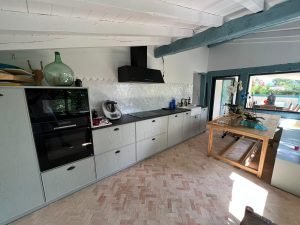
Indoor terracotta floors: where they work, how they are treated and what maintenance they need
Where terracotta works inside a house, when exactly it is treated and what you mop it with, with the figures from test report no. 7539.
Where terracotta works inside a house, when exactly it is treated and what you mop it with, with the figures from test report no. 7539.
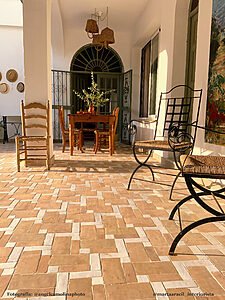
A lab-measured 16.9 % water absorption and what it means for laying terracotta outdoors: frost resistance, slip resistance under the Spanish CTE and treatment.
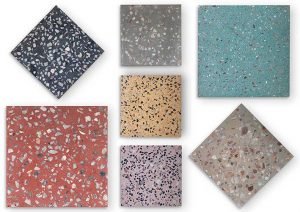
What coloured terrazzo is, the types and chip sizes available and how to combine it on floors, in bathrooms and on worktops, with real test data.

Pitch, overlaps, tiles per m², fixing and finishing: how to lay a roof of handmade tiles and how those tiles are made by hand.