What is the real difference between tile and ceramic? The two words are often used interchangeably when people talk about decorating and renovating, yet each has its own characteristics and appeal. This article looks at both, from their composition and manufacture to the maintenance that keeps them durable and attractive for years, so you can decide which suits your space best.
Understanding the materials: characteristics of ceramic and tile
In the world of wall and floor coverings, choosing between ceramic and tile can seem daunting. Although the two terms are often used interchangeably, each has its own identity. Ceramic, versatile and warm, lends itself to creativity in any space. Tile, on the other hand, especially zellige and cement tiles, brings a touch of historic craftsmanship and a charm that is hard to match.
What makes a bathroom feel welcoming or a kitchen cheerful? Often the answer lies in the texture, colour and pattern of its surfaces. Ceramic, available in countless finishes, offers a colour palette that can suit any style, from minimalist to bold. Tile, with its character and depth, tells a story through its imperfections, each piece a testament to the maker’s skill.
Choosing between the two can be as personal as choosing a painting for your living room. Are you after durability and easy maintenance, or a more expressive style that needs a little more care? Whatever you choose, you are selecting more than a simple covering: you are choosing something that reflects your personality and your values.
How ceramic is made: composition and manufacture
Ceramic is, at heart, a combination of earth and fire. Every ceramic piece, whether earthenware, stoneware or porcelain, starts from clay, a plastic, versatile material that turns into a mouldable paste when mixed with water. So what happens next?
The decisive step takes place in the kiln. There the clay is fired at high temperatures, between 900 and 1,200 °C. Firing not only hardens the piece but also gives it its characteristic strength.
The final step is glazing, which gives the ceramic its colours and textures. The glaze not only decorates the piece but also protects it, making it impermeable and more durable: this is what turns a ceramic body into a glazed tile. Ceramic is thus a story of transformation, from humble clay to a functional work of art.
The distinctive making of tiles: from zellige to cement tiles
Behind each piece there is a meticulous handmade process, shared by zellige and cement tiles, even though their techniques and materials differ considerably.
Zellige, which originated in Morocco, is made by hand. Each tile is shaped and cut from natural clay and then glazed in vivid colours. This method gives zellige its unique texture and appealing irregularities, an unmistakable sign of its authenticity.
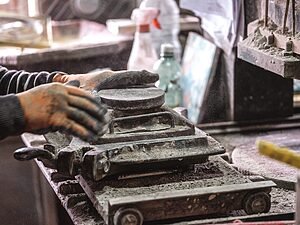
Cement tiles, for their part, come from a 19th-century technique that combines cement, marble powder and natural pigments. They are also made by hand: the mixture is pressed in metal moulds, which creates intricate patterns and colours that last over time.
Between the warmth of clay and the freshness of cement, these tiles do more than decorate a space: they carry a tradition and a technique.
Aesthetics and uses in the home
If you are renovating your home, cement tiles and zellige stand out for their aesthetic versatility and their distinctive uses. They can bring real personality to a space: they not only dress floors and walls but also tell a story through their designs and vivid colours.
The key lies in their handmade production, which allows each piece to suit modern or traditional spaces and create rooms full of character. Their strength and durability also make these tiles a sensible choice for any area of the home, combining elegance and practicality.
Design and variety in ceramic: options for every space
Ceramic offers endless aesthetic possibilities and a wide range of uses in the home. From the kitchen to the bathroom, and in living rooms and patios, it adapts elegantly and practically to every space.
With colours ranging from earthy tones to vivid blues, and textures that can imitate anything from wood to marble, as many porcelain tiles do, ceramic is a versatile option for anyone who wants to personalise their home. Its strength and easy maintenance also make it a practical choice for everyday life.
Whether you prefer a minimalist or a more ornamental look, you will find designs to suit your style. Ceramic makes it possible to create distinctive rooms in which every tile adds character and warmth to every corner of your home.
The beauty of tile: tradition and modernity in balance
Tiles are rooted in tradition, yet they have adapted to complement modern spaces, creating rooms that balance past and present. With their long history, tiles bring character and depth to any room, while new applications and contemporary designs allow them to blend harmoniously into today’s interiors.
Whether covering the floor of a cutting-edge kitchen or adding a decorative detail to a minimalist bathroom, tiles become the meeting point between craft tradition and modern design. That combination enriches a space and gives it a personality of its own.
Maintenance and durability: what you need to know
When it comes to cement tiles and zellige, their strength and longevity deserve a special mention. With the right care they can last for generations; the key is a regular maintenance routine.
For cement tiles, regular cleaning with water and neutral soap is enough. Avoid abrasive products that could damage their surface. Zellige needs a little more attention because of its glossy finish and distinctive texture: a soft cloth and water are your best allies for keeping it at its best.
Good care should not be underestimated. These pieces not only make a space more beautiful but also tell a story through their designs and colours; by looking after them, you preserve a piece of history.
Caring for ceramic tiles
To preserve the longevity and shine of your ceramic tiles, adopt a suitable maintenance routine. First, regular cleaning with mild products prevents dirt and stains from building up. Use a soft cloth or sponge and avoid abrasive scourers that could scratch the surface.
In wet areas such as bathrooms and kitchens, it is also essential to wipe away standing water. This prevents mould and discolouration. For stubborn stains, use products made specifically for ceramic, always testing them first on a small, inconspicuous area.
Finally, protection is key. Consider applying a sealer from time to time to preserve the integrity of the ceramic against water damage and general wear. With these simple steps, your ceramic tiles will stay attractive and functional for years.
Keeping tiles beautiful in the long term
To keep your tiles looking their best over time, the right care routine is essential. Prevention is your best ally, because it avoids damage before it happens. For example, sealing zellige and cement tiles shortly after installation creates a protective barrier against stains and moisture.
Regular cleaning plays a key role. Think of it like brushing your teeth every day: using mild products and avoiding abrasive sponges matters as much as choosing the right toothpaste. And treating a stain promptly is a little like saving a smile.
Thank you for reading. You will find more stories and discoveries on the Demosaica blog.