
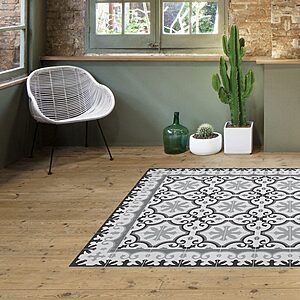
Cement tile rugs: how to design, size and lay them
What a cement tile rug is, how to plan its layout in whole tiles and how to lay it, with real examples from our workshop.
What a cement tile rug is, how to plan its layout in whole tiles and how to lay it, with real examples from our workshop.

A guide to decorating a bathroom with cement tiles: floor, shower and walls, colours, formats, laying and more than twenty real bathrooms with photos.

How to combine patchwork tiles on floors and walls: compatible formats, how to split the tiles between designs, ideas for each room and common mistakes.
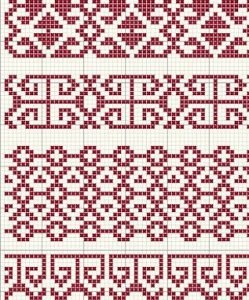
What a geometric border is, the seven repeat patterns that exist and how to work out the pieces per linear metre on floors and walls.

Formats, weight per square metre, adhesive, joints, edge finishing and sealing for covering tables, headboards and worktops with cement tiles.
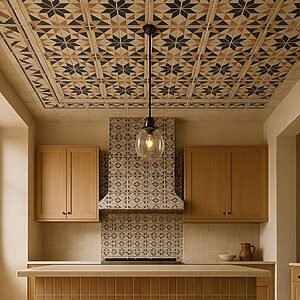
Which tiles can go up on a ceiling and which cannot: real weights per m², the right adhesive, a step-by-step guide and the vertical features that work best.
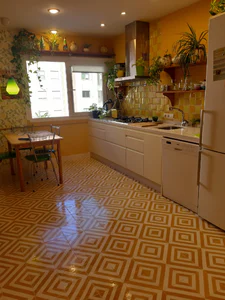
Greens, blues, terracotta and neutrals with accents: the trending palettes for cement tile floors, how to combine them and what colour does once laid.