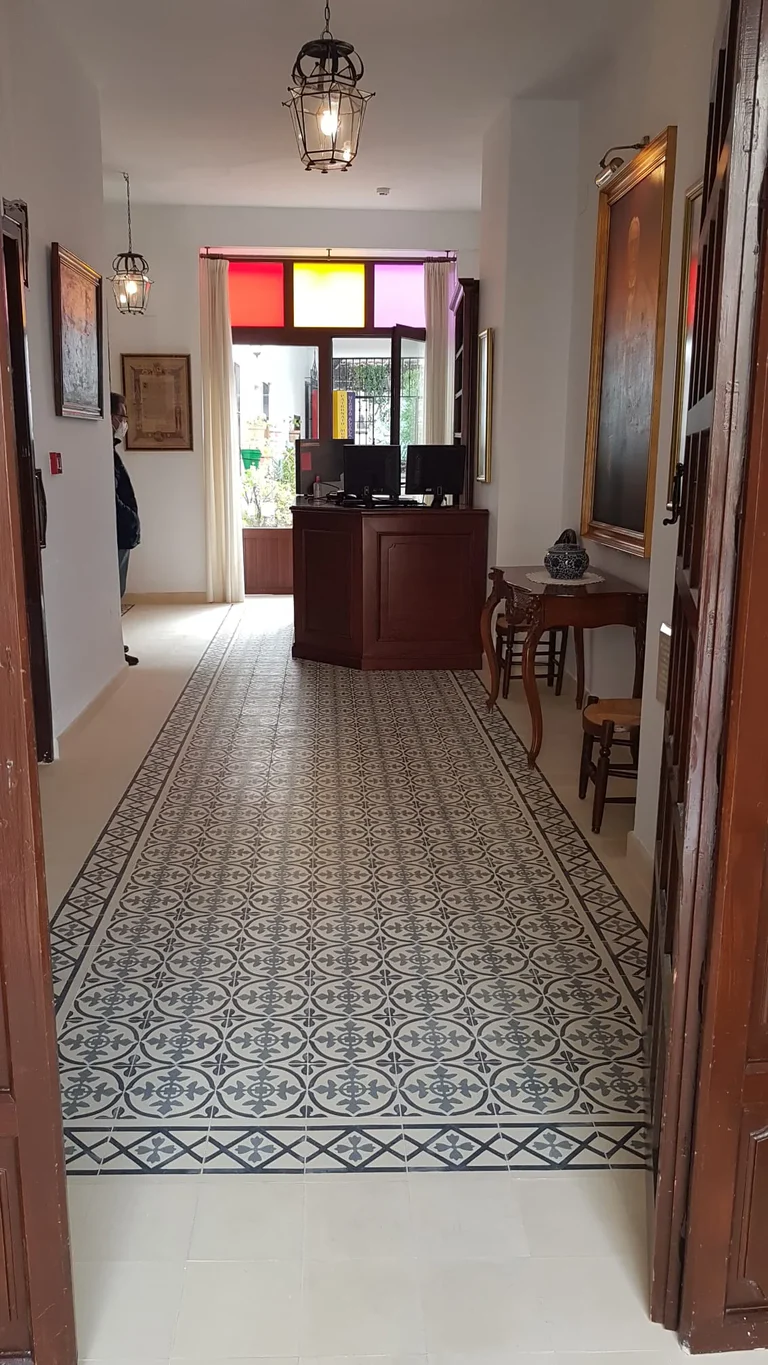
If you are renovating a farmhouse, choosing the right tiles is no minor detail: it shapes the atmosphere, comfort and durability of every room. Among timber beams, stone walls and natural light, the surfaces need to speak to the original architecture. Here I explain, clearly and without unnecessary jargon, how to choose the perfect tiles for a renovation with rustic soul and results you will fall in love with.
Choosing tiles for a farmhouse renovation: a practical guide
Start with the character of the house
Every country house has its own personality, whether it is an Andalusian cortijo, a Catalan masía or a Basque caserío. Is it a whitewashed Mediterranean farmhouse? A mountain retreat with exposed stone? Identify the existing materials and the local palette. Choosing farmhouse floor tiles means enhancing that identity, not hiding it. Think of natural textures, earth tones, olive greens, river blues and off-whites that reflect the light without being garish.
Materials and finishes that suit a rustic home
Cement tiles: colour, pattern and craftsmanship
Cement tiles are a classic making a strong comeback in rural restoration. Handmade from pigmented cement, they bring depth of colour, a mineral feel and timeless patterns. They work wonderfully on living room floors and in entrance halls, corridors and rustic kitchens. A tip? Create tile “rugs” with borders in living areas and combine them with plain tiles around the perimeter to give the eye a rest.
Their thickness and thermal mass also make them a good match for underfloor heating. All they ask for is proper sealing, cleaning with neutral soaps and no acidic products. The result is warm, authentic and long-lasting.
Zellige: handcrafted shine and texture for walls
If you are after a vibrant shimmer and a sophisticated Mediterranean look, zellige — a glazed Moroccan tile — is pure magic on walls. Its irregular edges and slightly varied glazes turn a wall into a one-off piece. Use it on kitchen splashbacks, in showers or in fireplace corners. Being a traditional ceramic with strong character, it is best kept for walls and, on floors, for areas without heavy foot traffic.
Other rustic options that complement them
Handmade terracotta for covered porches, natural stone-effect porcelain tile for exposed outdoor areas, or aged stone for plinths. The key is to combine fine materials with judgement: less is more, and craftsmanship leads the way.
Areas of a farmhouse: where to use each type
Living rooms and corridors: continuity and warmth
In high-traffic rooms, opt for cement tiles in neutral or earthy tones, with restrained patterns you will not tire of. If the space is small, small-scale geometric designs help to make it look larger.
Rustic kitchens: function with charm
A hard-wearing, easy-to-clean floor and a wall with character. Pair plain or classic-patterned cement tile floors with a glossy zellige splashback. The contrast between matt and gloss creates depth and catches the natural light. Choose grout in a soft colour (beige, light grey) so that it blends in subtly.
Bathrooms with soul: a country spa
On the floor, choose surfaces with good grip and a matt finish. On the walls, zellige brings the watery shimmer that makes every shower special. If you like a total look, alternate plain sections with a geometric cement tile border outside the shower to complete the scheme.
Outdoor areas and porches
For areas exposed to the weather or to frost, prioritise non-slip rustic porcelain tile or stone. In covered porches or sheltered galleries, cement tiles can work if they are properly sealed and maintained. If in doubt, always take the exposure and the local climate into account.
Colour, format and pattern: getting it right without losing the essence
Palettes with the feel of the countryside
Earths, sand, clays, warm greys, sage greens and washed-out blues. These tones sit well with wood, linen and wrought iron. Introduce colour with intent: a classic-patterned “rug” in the entrance hall, a bottle-green kitchen splashback, or a section of wall in off-white with a handmade texture.
Formats and layouts that make the most of it
In cement tiles, 20×20 and 15×15 are safe all-rounders. Hexagons add a vintage touch without falling into passing fads. In zellige, 10×10 and 5×15 give rhythm to the wall; laying them with slightly varying joints is part of the charm. Finish with skirting and special pieces for clean transitions.
Technical performance and maintenance (without the hassle)
Sealing cement tiles properly
Sealing before and after grouting is essential to protect the pigments. Use good-quality water- and oil-repellent impregnators and clean with neutral soaps. Avoid acids and bleach: the patina grows more beautiful over time if you look after it.
Slip resistance and absorption
For showers and wet areas, prioritise matt finishes and micro-textured surfaces. With ceramic and porcelain tiles, check the slip resistance class. With its handmade glaze, zellige is ideal for walls; if it is used on floors, keep it to light-traffic areas and take technical advice.
Compatibility with underfloor heating
Cement tiles work brilliantly with underfloor heating thanks to their thermal inertia. Use suitable flexible adhesives and respect the movement joints. The result: steady comfort and efficient energy use.
Common mistakes and interior designers’ tricks
Too much pattern and no room to “breathe”
Choose one star and let the rest play a supporting role. A bold geometric floor calls for calmer walls and textiles. Your home should invite people to stay, not make them want to run.
Forgetting trims and transitions
Details lift the whole scheme: trims at doorways, a change of material with a discreet profile, well-resolved dados. They are the “silences” that make the music beautiful.
Not allowing for extra tiles
Renovations of old houses come with surprises. Order an extra 10–15% for cuts, spares and replacements. It will save you headaches and guarantee continuity if you ever need to replace a tile.
Overlooking the light
In rural settings the light changes a great deal. Look at samples by day and at night. The handmade finish of a tile can look warmer or cooler depending on the time of day. Try them out on site before you decide.
At Demosaica we work with craftsmanship and a passion for authenticity. If you are looking for floors and walls that tell stories, well-chosen cement tiles and handmade wall tiles will turn your farmhouse into a home with soul.