
CEMENT TILES
Cement tiles are handmade tiles, crafted one by one, following the traditional process.
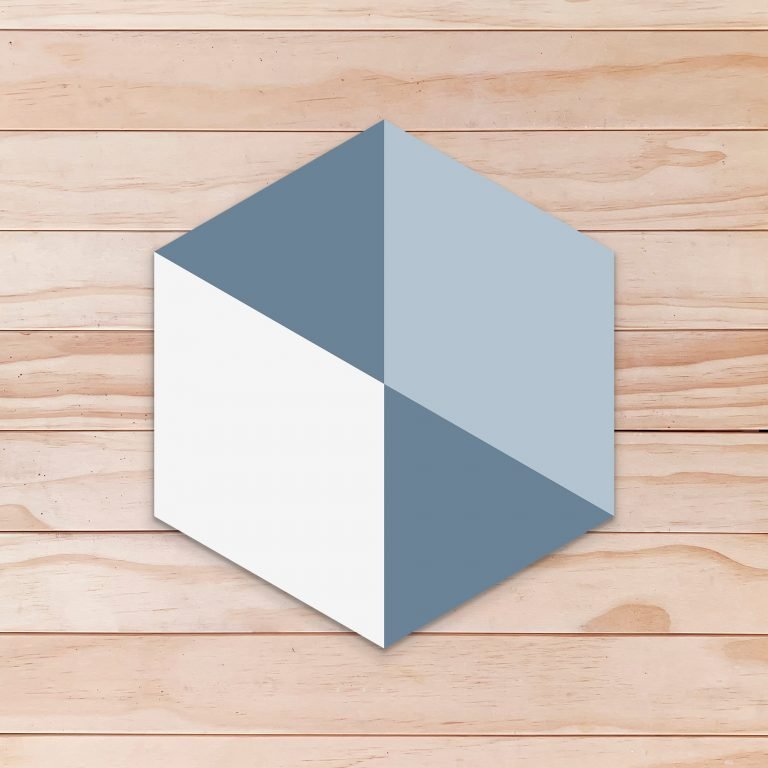
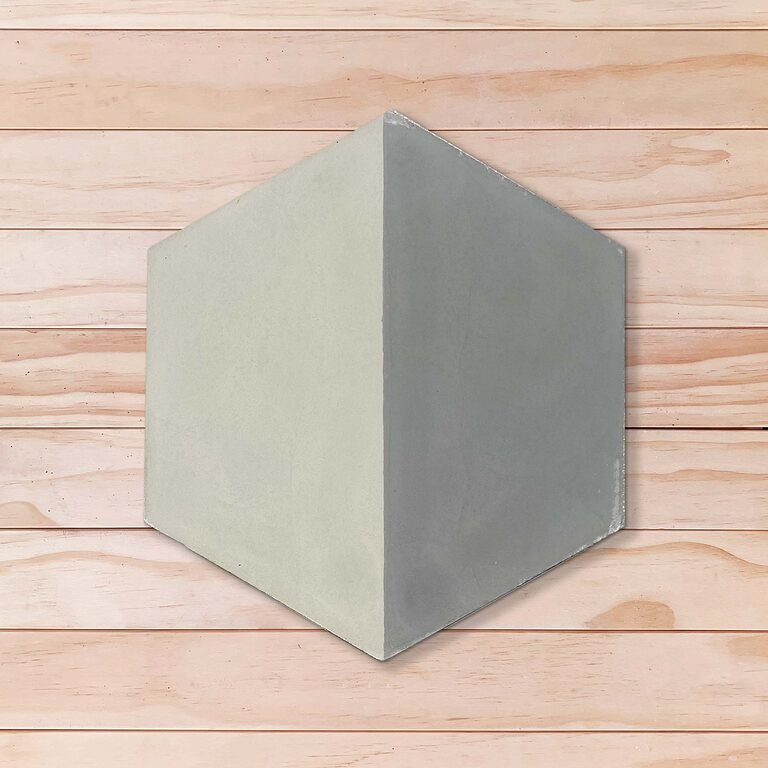
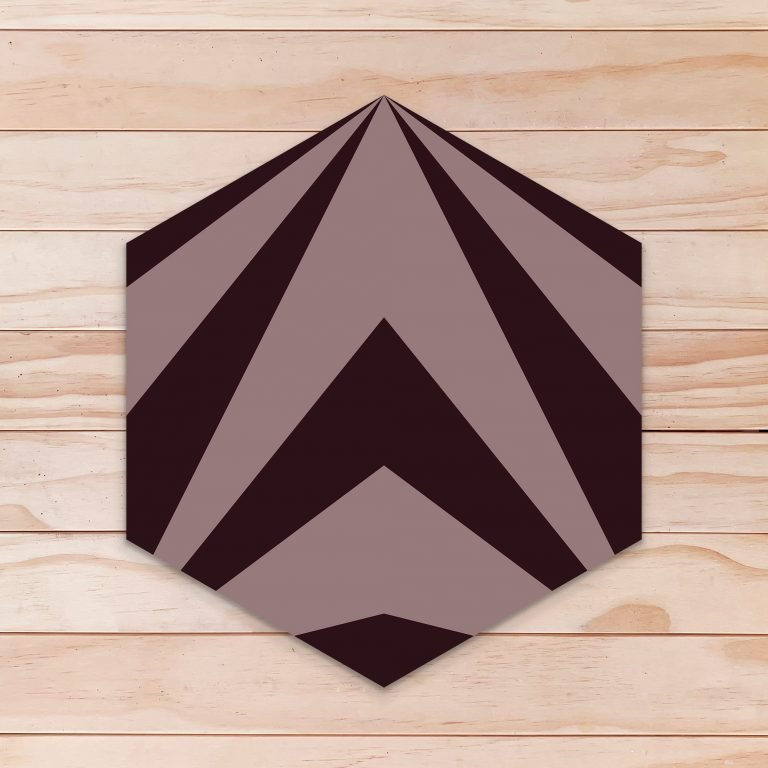
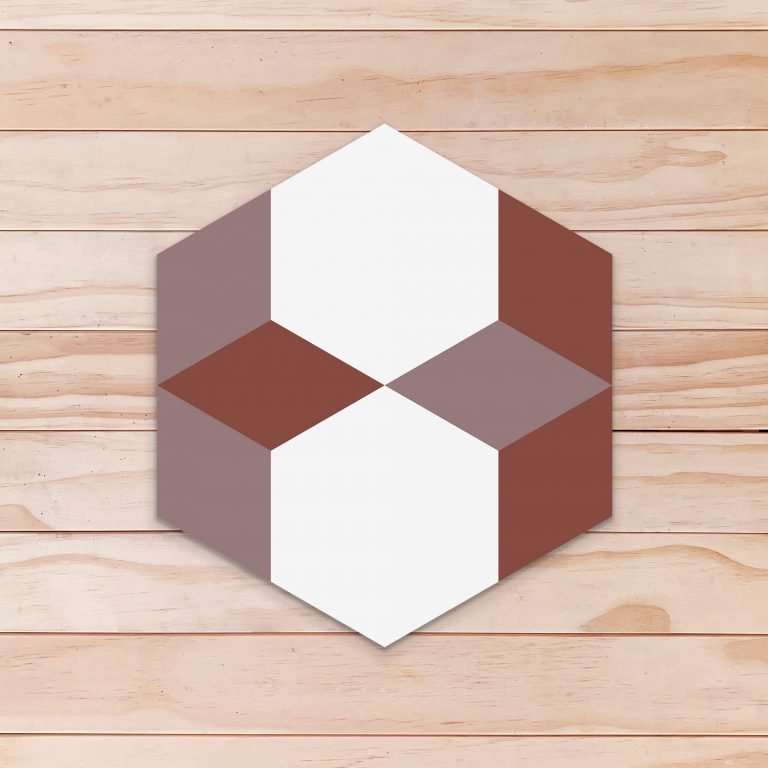
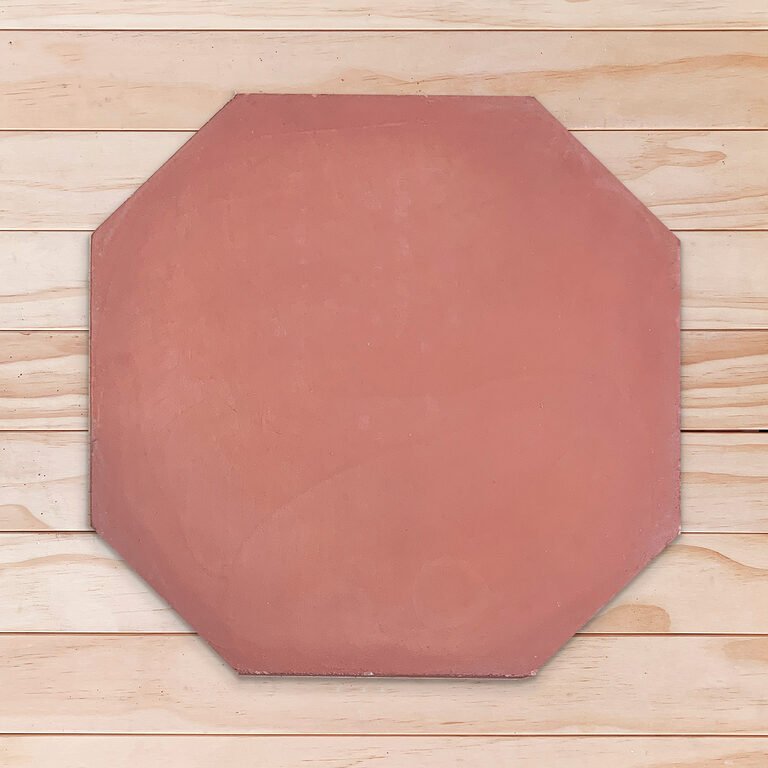
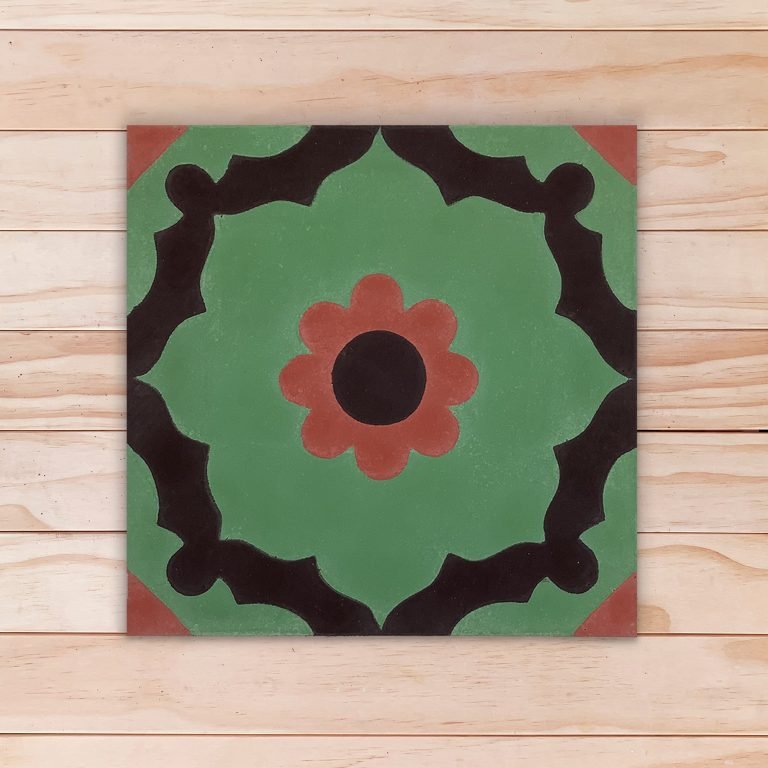
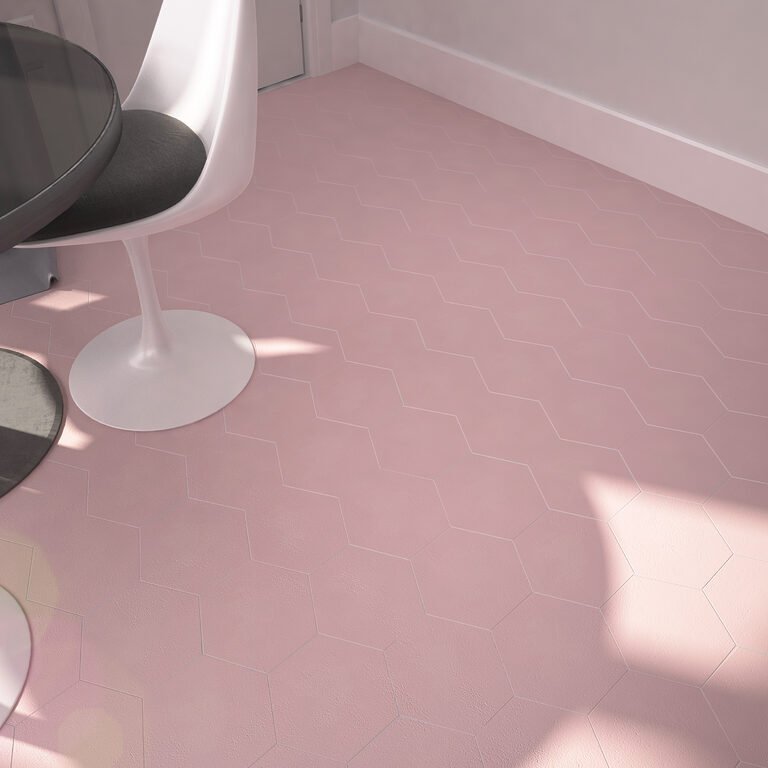
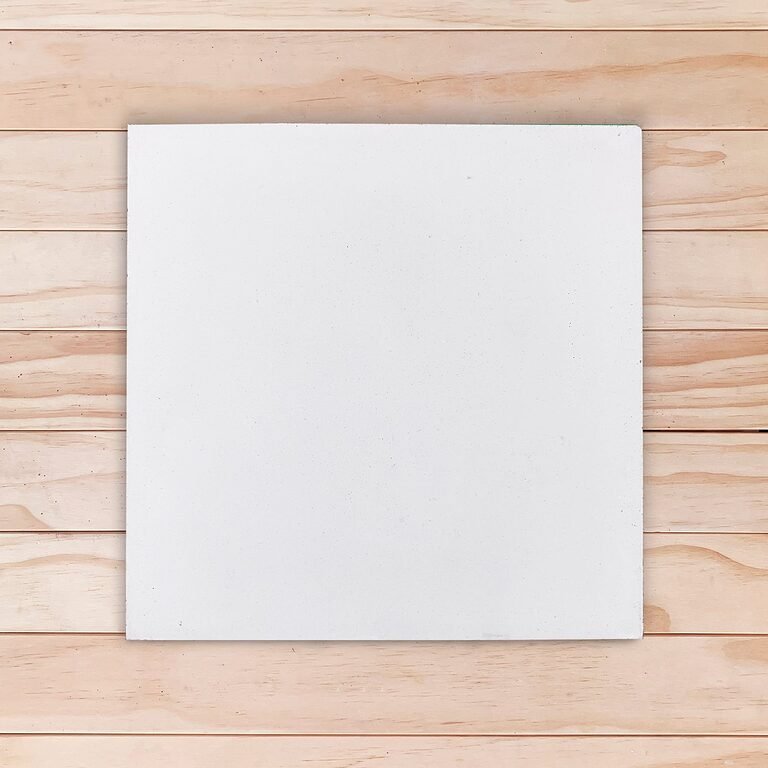
Discover the extensive and exclusive collection of cement tiles at Demosaica, where quality meets innovative design. With over 500 models available, our range covers a wide variety of classic and sophisticated tile formats, along with other unique designs.
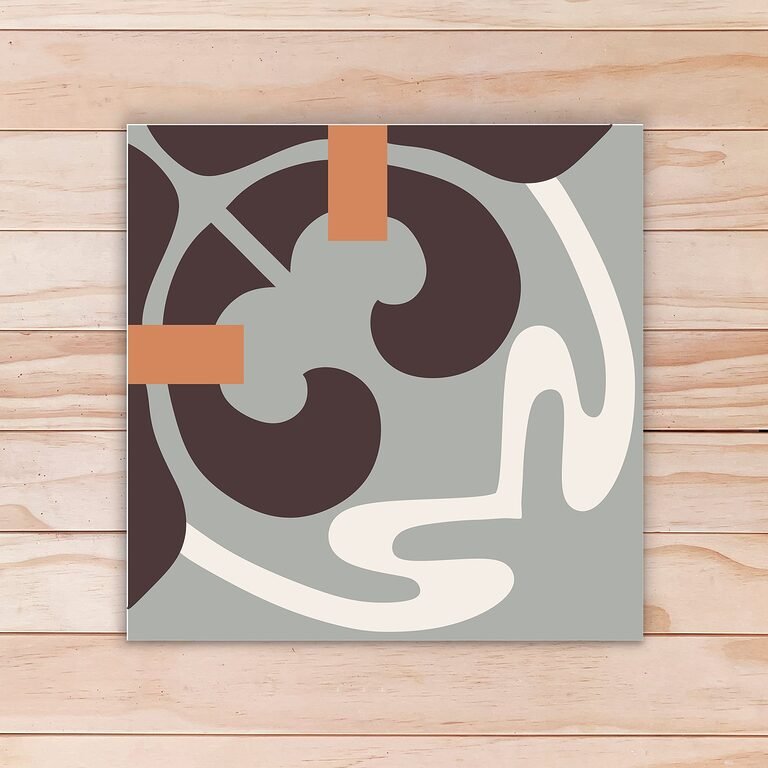


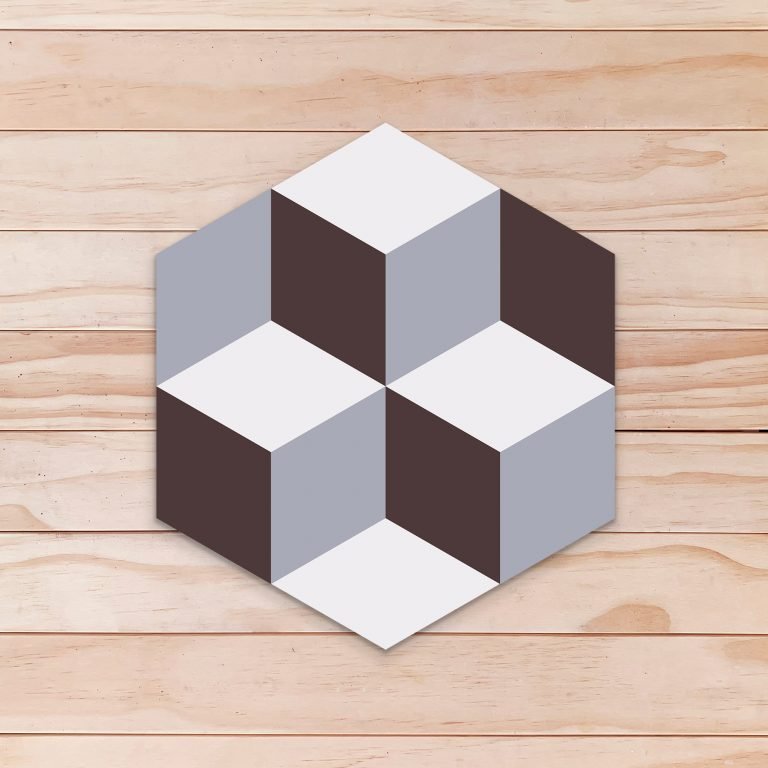

















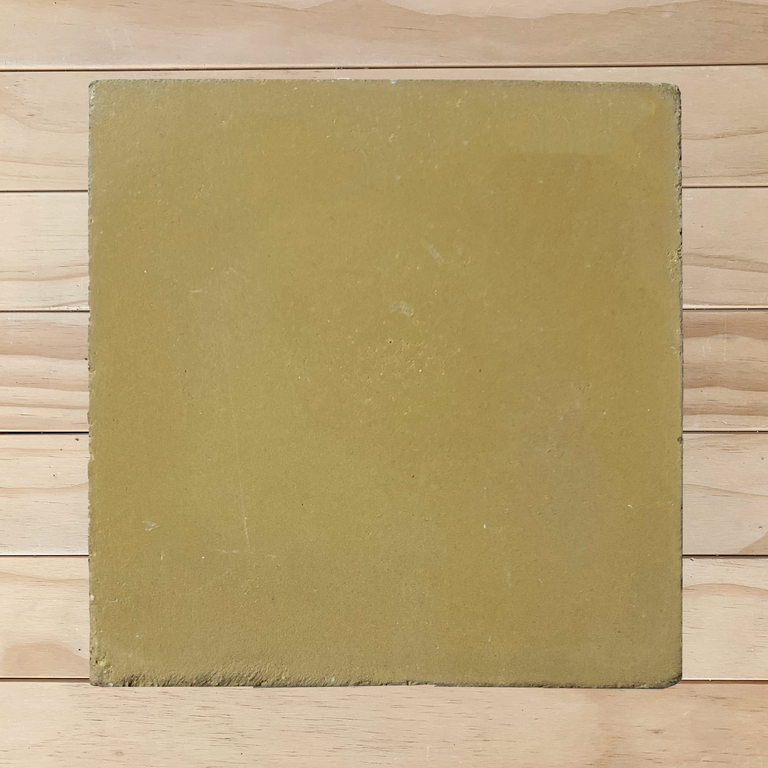
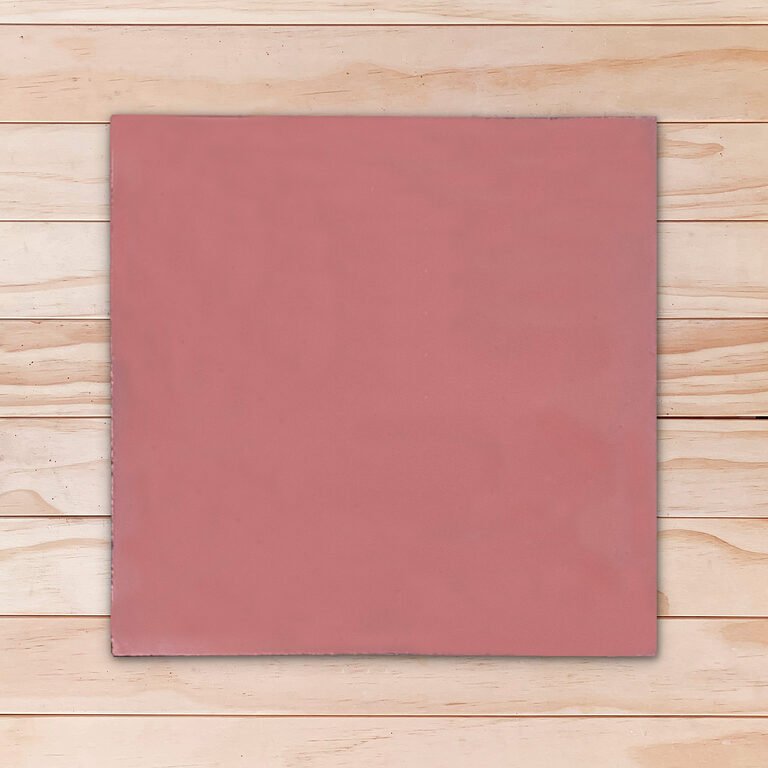
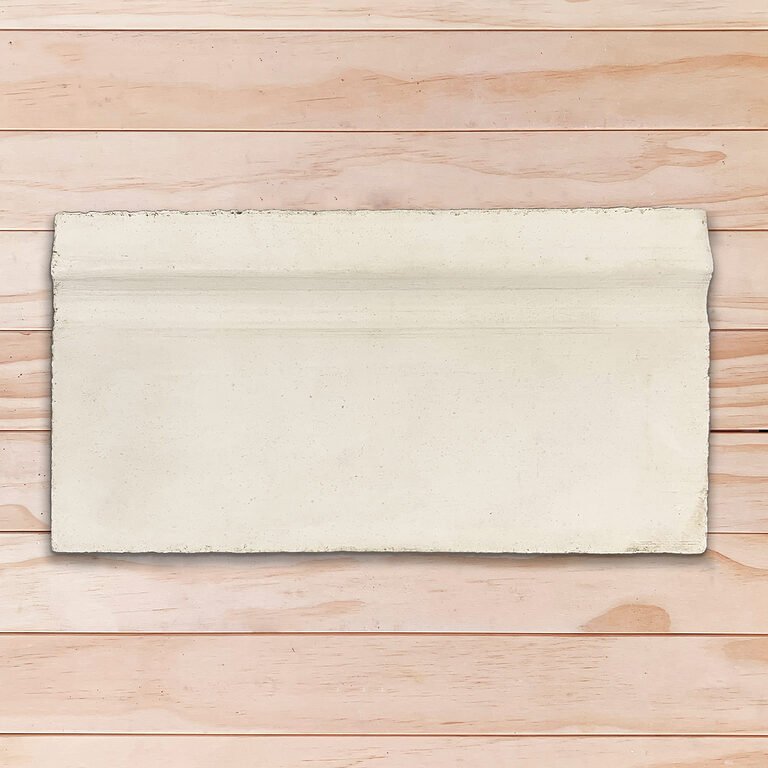
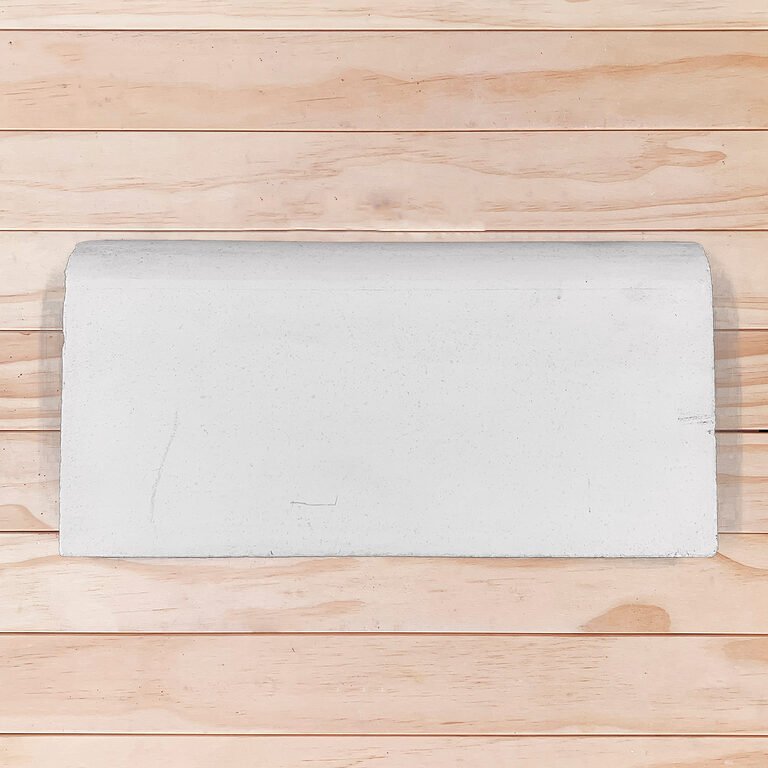
OUR MODELS
We take pride in offering cement tiles at competitive prices, without compromising on quality. Every year, our catalog is enriched with new designs, following the latest trends in decoration and architecture. This ensures you will always find fresh and contemporary options for your interior design projects.
Whether you are looking for a traditional style or a modern aesthetic, our cement tiles are ideal for bringing any space to life. Their durability and beauty make them perfect for homes, businesses, and architectural projects of all kinds.




THE ENCAUSTIC TILE
Discover the timeless beauty of cement tiles, a perfect choice for those looking to combine style and durability in their spaces.
Manufactured with high-quality materials, these tiles offer a unique aesthetic and a long-lasting finish.
The creation process of cement tiles is an art in itself. Each tile is carefully pressed in a specialized hydraulic press, ensuring uniform compression and exceptional quality. After pressing, the tiles are left to dry outdoors, allowing them to cure slowly and acquire incomparable strength.
What truly distinguishes cement tiles is their completely handcrafted and customizable nature. From traditional patterns to modern designs, these tiles can be adapted to reflect your personal style and meet the specific needs of any space, whether in your home or a commercial setting.
HANDCRAFTED PRODUCTION PROCESS
Cement tiles in stock
See all our models in stock, lots of designs in different styles ready for immediate delivery.
CEMENT TILES FLOOR SIMULATOR
Customise any of our tiles and create your own hydraulic floor design.
GALLERY
Be inspired by the photos of Demosaica Cement tiles installed in our customers’ projects. Kitchens, showers, patios, stairs and an endless number of spaces and applications with a wide variety of styles.
OUR COLOUR PALETTE
Below is the colour chart designed by Suelos Hidráulicos Demosaica, a wide and versatile range of colours to be able to give shape to all your decorative ideas.
OUR FORMATS
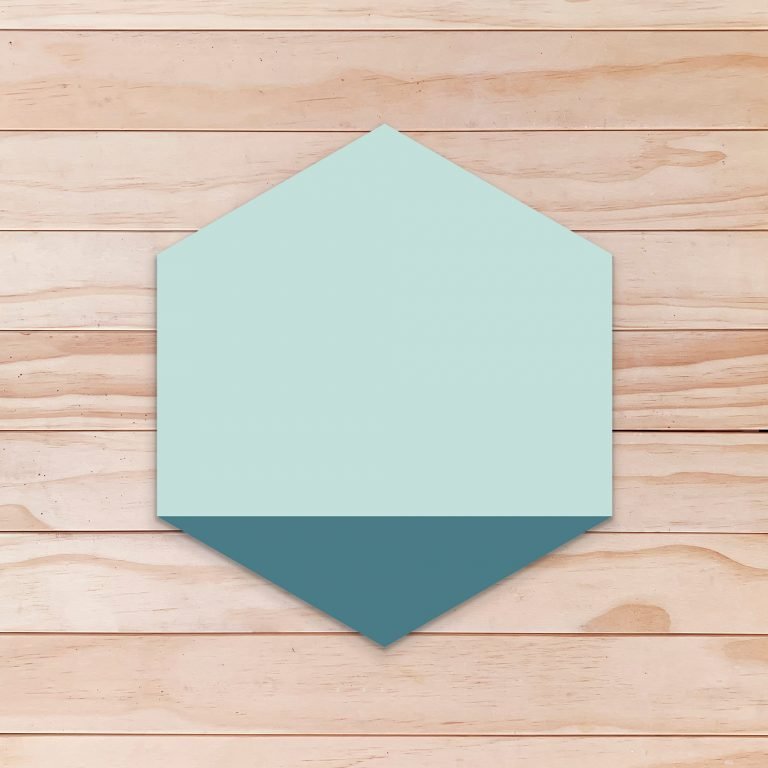
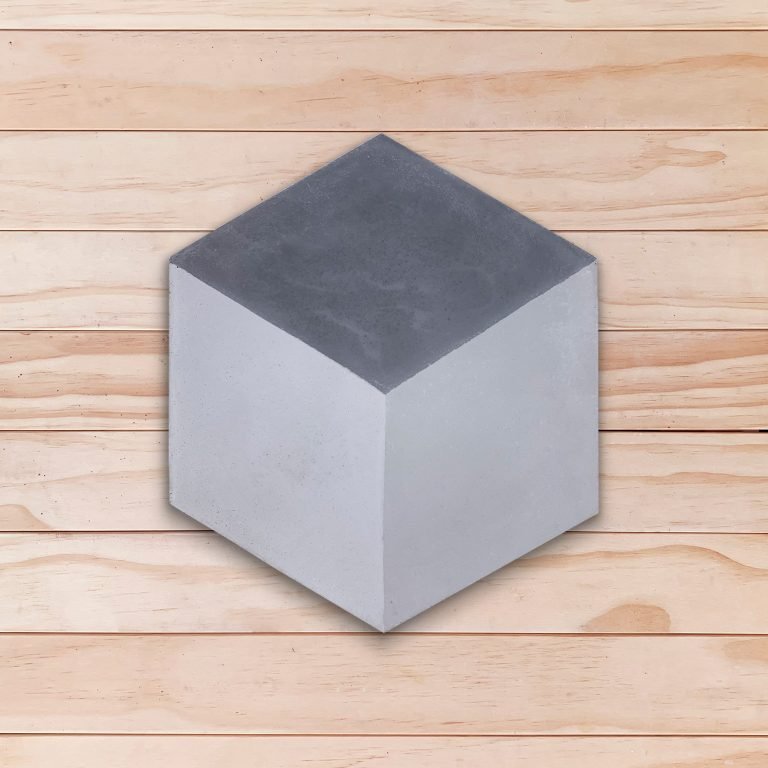
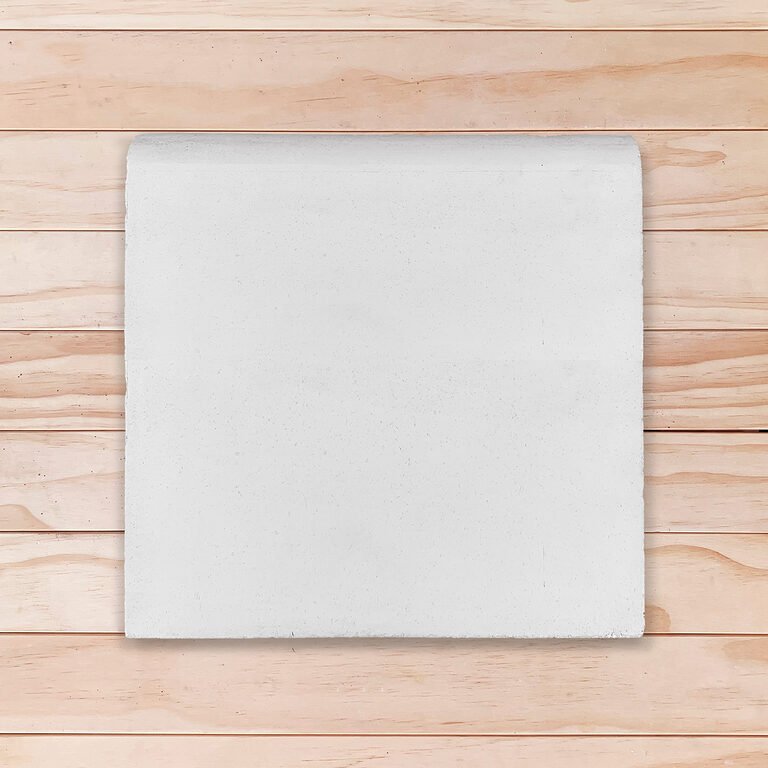
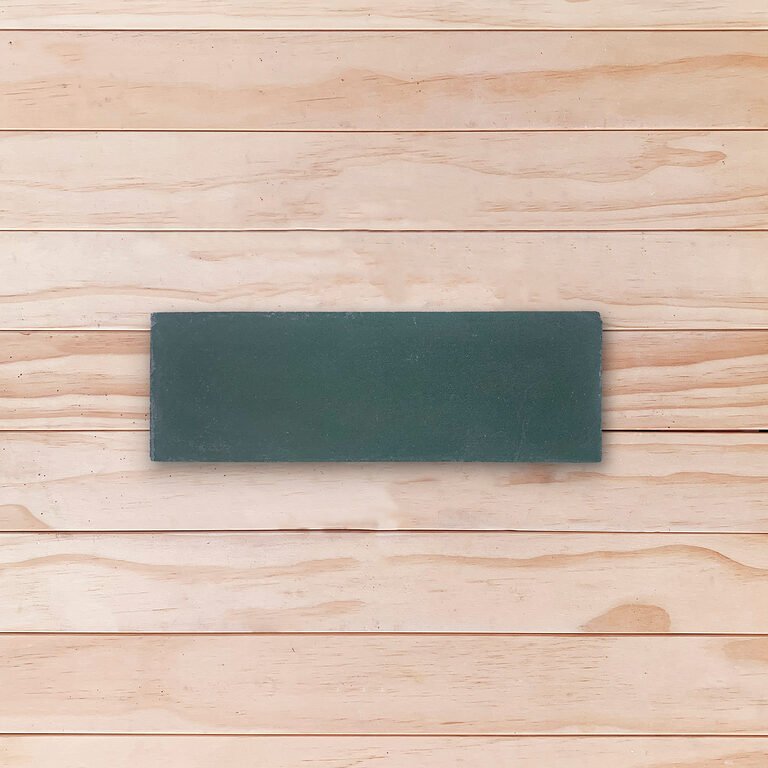
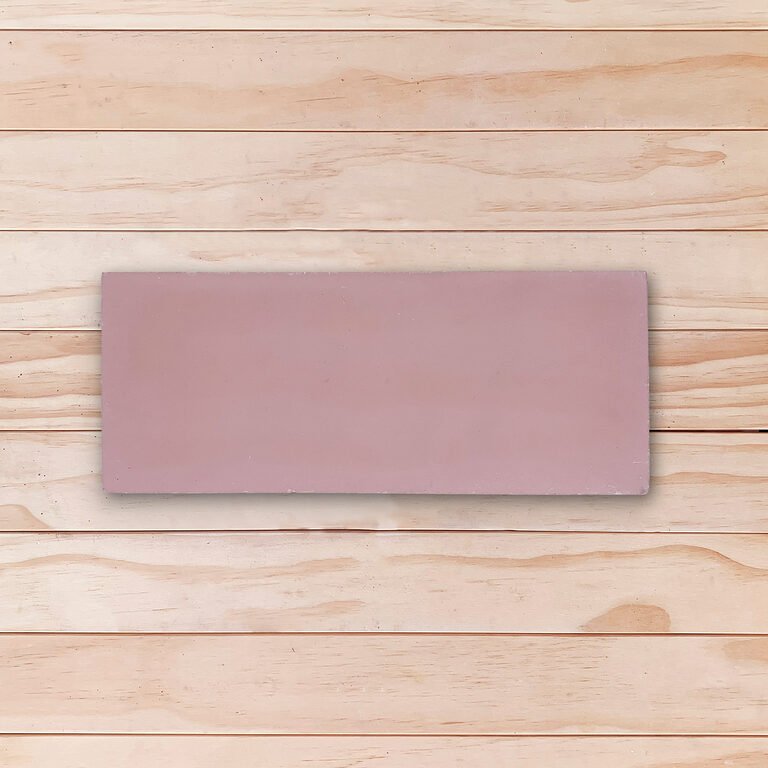
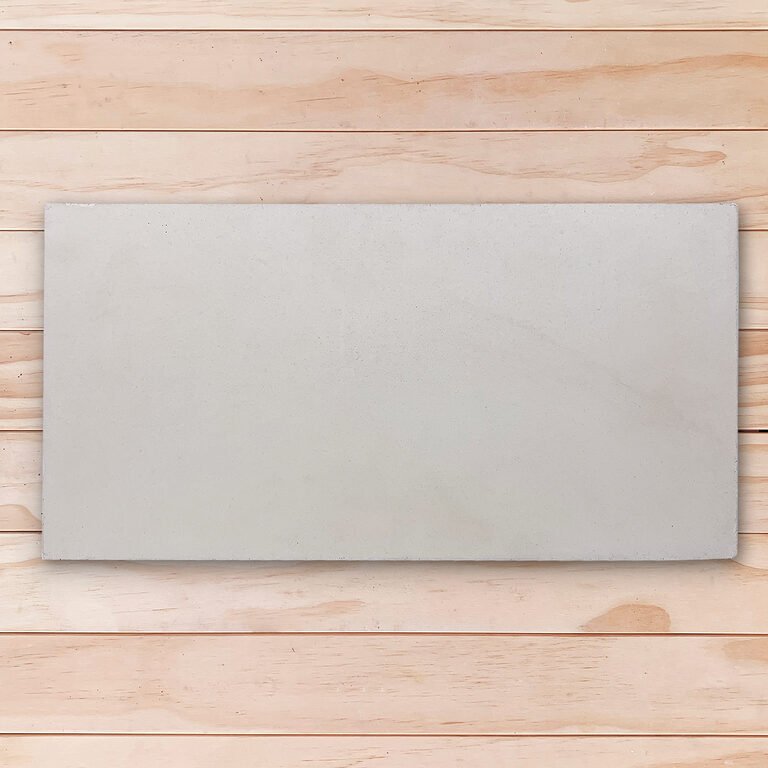
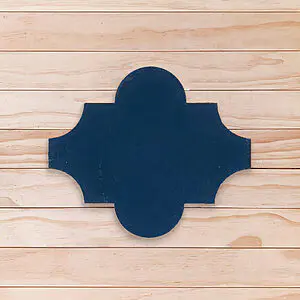
At Suelos Hidráulicos Demosaica we have a wide variety of formats for our Cement tiles, each of them with a different style. If you need to try another tile format or if you need us to send you samples, do not hesitate to contact us.


Cement tile and cement mosaic, the handcrafted tradition that transforms every space
The cement tile has once again become one of the undisputed protagonists in interior design. These decorative coverings, which for decades adorned palaces, modernist houses, and historic buildings, are experiencing a renaissance thanks to their versatility, durability, and, above all, their unique beauty.
To speak of cement tiles is not just to speak of a material for covering floors and walls, but of a resource that combines art, history, and functionality. Their ability to create environments full of personality turns each cement floor into a piece that transcends decoration and becomes a central element of the home or business.
What the term cement tile means
The word “hydraulic” refers to the original manufacturing method: a hydraulic press that allowed pigmented cement to be molded with precision. Thus emerged the cement tile, which soon became popular throughout Europe starting in the 19th century.
Thanks to this technique, cement tiles are characterized by their durability and the sharpness of their designs, whether geometric, floral, or inspired by Moorish motifs. In essence, the cement mosaic became a revolutionary product because it combined durability and aesthetics in the same material.
The evolution of cement floors
If in the past cement floors were considered a luxury covering, today they are present in projects of all kinds. From modern kitchens and bathrooms to terraces, commercial spaces, and boutique hotels, cement tiles offer an almost infinite range of possibilities.
Currently, they are manufactured with high-quality cements and pigments that guarantee a long lifespan. In addition, they come in different formats: from the classic square tile to hexagonal cement floors or pre-cut pieces that simulate traditional compositions. This allows maintaining the essence of the classic cement mosaic adapted to contemporary needs.
Cement mosaic, the beauty of the handcrafted
The cement mosaic is one of the most appreciated variants within the world of cement tiles. Its handcrafted manufacturing process guarantees that each piece is unique, something that differentiates it from other types of industrial tiles.
A cement mosaic not only covers a space but turns it into a place with its own identity. Whether in a cement floor for a living room, a mosaic on a kitchen wall, or a set of cement tiles on a terrace, the result is always an environment with character.
Advantages of the cement mosaic
- Unmatched durability: a cement floor made with handcrafted mosaics can last for several generations.
- Custom design: by choosing a cement mosaic, you access endless possibilities of color and shape.
- Easy maintenance: with an initial sealing and proper cleaning, cement tiles maintain their shine and color for decades.
Applications of cement tiles
One of the reasons for the popularity of the cement tile is its versatility. It easily adapts to both indoors and outdoors, in private homes as well as commercial projects.
Some of the most common uses of cement floors are:
- Kitchens: the cement mosaic brings color and dynamism to floors and walls.
- Bathrooms: cement tiles resist moisture and create a relaxing environment.
- Living rooms and hallways: a cement floor can become the focal point of the decoration.
- Bedrooms: as a detail on headboards or visual rugs made of mosaics.
- Terraces and patios: the durability of the cement floor makes it a perfect choice for outdoors.
- Commercial spaces: restaurants, cafes, shops, and hotels use the cement mosaic to differentiate their spaces with an elegant and distinctive touch.
Styles and designs of cement floors
Cement tiles stand out for the enormous variety of styles they offer. From classic geometric and floral motifs to modern and minimalist designs, each cement tile has the ability to adapt to each person’s taste.
Cement mosaics, furthermore, can be custom-made, with personalized colors and patterns. This allows creating an exclusive cement floor that reflects the customer’s personality and adds a unique stamp to the space.
How a cement tile is manufactured
The manufacturing process of cement tiles remains largely handcrafted. A metal mold is used into which different layers of pigmented cement are poured, each with its color and design. Subsequently, the tile is pressed with a hydraulic machine and left to air dry.
This method guarantees that each cement tile retains the intensity of its colors and the durability of the cement. It is a slower process than the industrial production of tiles, but it ensures an aesthetic and functional quality impossible to replicate with other materials.
Maintenance of cement floors
Maintaining a cement floor in good condition is simple if a few basic steps are followed. After installation, it is advisable to apply a sealer that protects the cement tiles against stains and moisture.
On a day-to-day basis, simply cleaning with water and a neutral detergent is enough to preserve their color and texture. Unlike other coverings, cement mosaics do not lose beauty over time; on the contrary, they gain character and personality as they age.
Why choose cement tiles
Opting for a cement tile means betting on a material that combines tradition and modernity. Its main advantages are:
- Durability: both cement floors and cement mosaics are designed to last for decades.
- Unique aesthetics: each cement tile is a handcrafted piece that provides exclusivity.
- Versatility: suitable for indoors and outdoors, in homes and businesses.
- Customization: possibility of creating unique designs adapted to each customer’s style.
Buying quality cement tiles
At Demosaica.com you will find one of the widest collections of cement tiles and decorative mosaics. Our catalog includes everything from traditional cement floors in neutral tones to brightly colored tiles that transform any space.
Whether you are looking for a handcrafted cement mosaic for your kitchen, a durable cement floor for your terrace, or modern cement tiles for a commercial space, we have the ideal solution.
In addition, we offer expert advice to ensure that every customer finds the perfect cement tile, adapted to their needs and decorative style.
Explore our website and discover how a cement mosaic can bring history, art, and functionality to your project. Cement tiles are not just a covering: they are an investment in design, elegance, and durability.
FIND OUT MORE
Introduction to Cement Tiles
Cement tiles are a type of floor and wall covering that have been present in architecture since the 19th century. These ceramic pieces are known for their durability, beauty and versatility. In this article, we will explore the history of Cement tiles, their manufacturing process and the most popular styles.
History of Cement Tiles
Cement tiles emerged in the south of France during the 19th century as an alternative to marble mosaics. Over time, they have been adapted to architectural trends and styles, becoming a key element in the decoration of interior and exterior spaces.
Origins and Influences
The origin of Cement tiles dates back to 19th century Europe, specifically in France. These pieces were inspired by Roman and Arabic mosaics, as well as Catalan ceramics. Their popularity grew rapidly thanks to their resistance and aesthetic appeal.
Manufacturing Process of the Cement Tiles
The manufacture of Cement tiles is an artisanal process that has remained practically unchanged since its origins. The fundamental steps in this process are described below:
Preparation of the materials: Cement, sand and pigments are mixed to obtain a coloured paste.
Moulding: The paste is placed in a metal mould with the desired design.
Pressing: Pressure is applied with a hydraulic press to compact the paste in the mould.
Drying: The tiles are left to dry for 24 hours before being removed from the mould.
Curing: Finally, the tiles are immersed in water for a period of 28 days to complete the curing process.
Cement Mosaic Styles and Designs
Hydraulic mosaics are characterised by a wide variety of designs and styles, ranging from classic to modern. Below are some of the most popular styles:
Classic Designs
Classic designs are those that evoke the aesthetics of bygone eras, such as Roman or Arabic mosaics. These patterns are often intricate and are characterised by geometric and floral shapes.
Modern designs
In contrast to classical designs, modern designs are more minimalist and abstract. They are characterised by straight lines, simple shapes and a more limited colour palette.
Custom designs
Hydraulic tiles can also be customised according to the customer’s preferences. This allows the creation of unique designs that reflect the style and personality of the space.
Installation and Maintenance of Cement Tiles
The installation and maintenance of Cement tiles is a key aspect to guarantee their durability and beauty over time. Below are some recommendations for their correct installation and care:
Installation of Cement Tiles
Surface preparation:
Make sure that the surface where the tiles will be installed is clean, level and dry.
Laying: Use a suitable adhesive for Cement tiles and apply it to the surface. Lay the tiles, leaving a joint of at least 2 mm between them.
Levelling: Check that the tiles are level and adjust their position if necessary.
Joint sealing: Once the adhesive has dried, apply a joint sealant to protect the tiles and give them a uniform finish.
Maintenance of Cement Tiles
Regular cleaning: To maintain the appearance and durability of Cement tiles, clean regularly using a damp cloth and a neutral detergent.
Stain protection: Apply a specific sealer for Cement tiles, which will protect the surface against stains and make cleaning easier.
Avoid abrasive products: Do not use abrasive or acidic products as they can damage the finish and colours of the Cement tiles.
Treat specific stains: If stubborn stains appear, refer to the manufacturer’s recommendations for proper treatment.
Advantages and Applications of Cement Tiles
Cement tiles offer multiple advantages that make them an ideal choice for indoor and outdoor floor and wall coverings. Among their main benefits are the following:
Durability: Thanks to their manufacturing process and the quality of the materials, Cement tiles are resistant to wear and tear and the passage of time.
Versatility: Its wide variety of designs and styles allows Cement tiles to adapt to any space and decoration.
Easy maintenance: Cement tiles require minimal maintenance, making them a practical choice for any project.
Water and stain resistance: Their manufacturing process and the use of specific sealants make them water and stain resistant, which makes them ideal for wet areas such as bathrooms and kitchens.
As for the applications of Cement tiles, they are ideal for floors and walls in:
Homes: living rooms, kitchens, bathrooms, bedrooms and hallways.
Commercial spaces: Restaurants, shops, offices and hotels.
Public spaces: Plazas, transport stations and historic buildings.
An exceptional choice
Cement tiles are an exceptional choice for floor and wall coverings, thanks to their durability, beauty and versatility. Their rich history and handcrafted manufacturing process give them a unique charm that adapts to any architectural and decorative style. Whether in residential, commercial or public spaces, Cement tiles add a touch of elegance and distinction, as well as being a practical and easy to maintain solution.
If you are considering renovating or beautifying your space, don’t hesitate to explore the wide range of Cement tile designs and styles available. Remember to follow the installation and maintenance recommendations to ensure that your tiles look impeccable and last over time. Whether you prefer a classic, modern or custom design, Cement tiles are a safe investment that will add value and character to any environment.