Innovation is no longer just about colours and patterns. Today the finish leads the way, and microtextures have arrived to change how a cement tile looks, feels and performs. If you like the handmade look but want extra performance, this is where textured cement tiles come in. Let’s look at how small variations in the surface completely change the experience underfoot.
Microtextures on cement tiles: what they are and why they matter
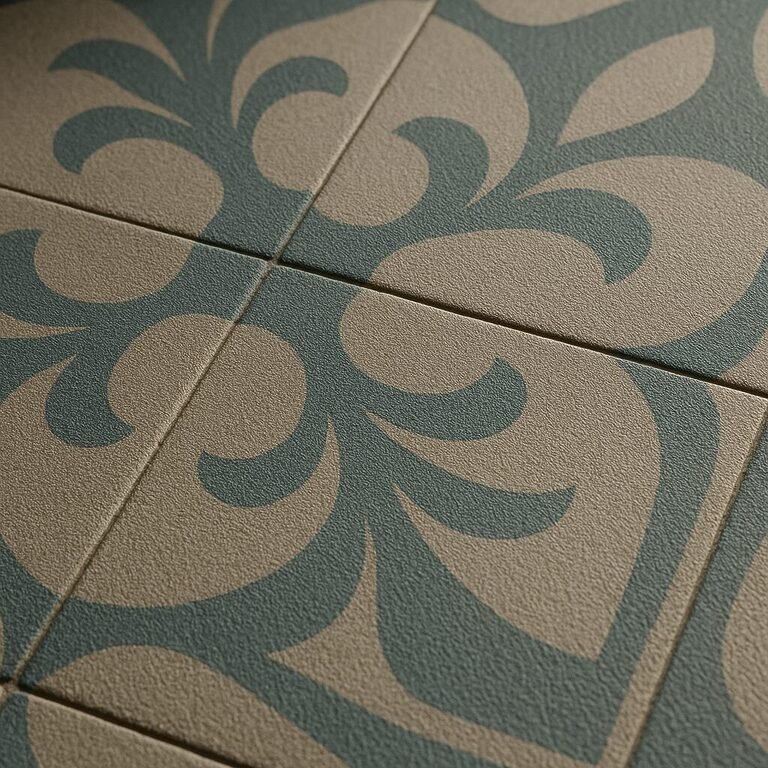
By microtextures we mean subtle reliefs, almost invisible to the naked eye, built into the wear layer of the cement tile. They are not raised patterns but a tactile “grain” that adds grip, character and visual depth. Think of a breeze over water: you can barely see it, but it changes the whole surface.
This kind of finish improves slip resistance, helps disguise everyday wear and adds a sensory touch to floors and walls. In wet interiors (kitchens, bathrooms, showers) it can make the difference between a beautiful floor and one that is both beautiful and safe.
How they are made: craftsmanship guided by technology
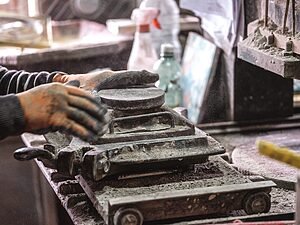
It all starts in the mould. In workshops like Demosaica, craftsmanship relies on precision technology to define the very fine relief on each tile. There are several routes:
Textured moulds and hydraulic pressure
We engrave micro-reliefs into the steel or brass of the mould. When the pigmented cement is poured and pressed, that pattern is transferred to the visible face. It is a stable, repeatable method, ideal for projects that call for a highly uniform finish.
Aggregate grading and mix
Adjusting the aggregate (marble, quartz) and the water/cement ratio changes the “skin” of the material. A mix with a controlled micro-aggregate produces a satin texture, smooth yet with grip. Mineral pigments come into play here, as does the slow curing that is characteristic of the cement tile.
Post-press texturing
Processes such as micro-sandblasting or fine honing open the pores evenly. They are subtle and do not alter the pattern. The key is to preserve the definition of the motifs and the durability of the pigmented layer.
Types of microtexture and how to read them
Not all microtextures feel the same. Some patterns almost disappear on matt surfaces, while others stand out under raking light.
Micro-sandblasted matt
A dry, contemporary finish with low reflectance. Ideal for minimising footprints in high-traffic areas. It enhances mineral colours and classic geometric designs.
Sealed satin
That hint of sheen that catches the eye without becoming polished. With a water-based sealer that repels water and oil, the surface looks more “closed” but keeps its micro-grip.
Linear or dotted relief
Discreet textures (very fine ribbing or dots) that improve traction without upstaging the cement tile pattern. Ideal for bathrooms and hotel corridors.
Safety and regulations: microtexture that works in your favour
Function matters. A good microtexture, together with the right sealing, helps achieve the slip resistance classes commonly required in residential and commercial projects (for example, under the Spanish Building Code (CTE), Class 2 for wet interiors and Class 3 for exposed outdoor areas). In practice, that means confidence when walking with wet feet, without giving up the charm of pigmented cement.
In addition, the micro-relief spreads water out under the foot and reduces the “film” effect. This micro-topography helps the floor “breathe” better when liquids are spilled and keeps its response stable over time.
Design you can feel: from classic mosaic to tactile minimalism
Cement tiles are known for their patterns: geometric, floral, border tiles and tile rugs. Microtexture adds a non-visual layer of design: touch. In single-colour layouts, a micro-sandblasted matt finish adds depth. On tiles with strong contrasts, a subtle satin finish unifies the overall look.
For a contemporary effect, combine a solid colour with a linear microtexture and fine joints. For vintage interiors, a fine grain with a satin seal recreates that gentle “patina” that grows more beautiful over time.
Applications: where microtexture shines
In kitchens, it stands up to daily wear and splashes and is quick to clean. In bathrooms and tiled walk-in showers, it adds traction without feeling rough. In entrance halls and corridors, it disguises foot traffic. In hospitality and retail premises, it adds a tactile identity and helps meet safety requirements.
And on walls? Yes. Microtextures create an architectural skin that catches the light pleasantly. Use them on dado panels, bar fronts or shower walls to add character without overdoing it.
Maintenance and sealing: the duo that extends its life
A well-textured cement tile needs a suitable sealer. We recommend water-based protectors that repel water and oil and do not “plasticise” the surface or fill in the micro-relief. The first application seals the pores; periodic reapplications maintain the protection in heavy-use areas.
For daily cleaning, use pH-neutral detergents. For construction haze or stains, use plenty of water and a soft scouring pad and, if they persist, a diluted degreaser for cement floors, always testing first. Avoid harsh products: that way you keep the right tone, grain and sheen of the finish.
Responsible manufacturing: materials and sustainability
Cement tiles are made without firing, from cement, mineral pigments and aggregates. Introducing microtextures does not change their sustainable logic: the work is done on the same base of pigmented layer and backing, optimising moulds and processes to reduce waste. Less shine does not mean lower quality; it means a surface treatment designed to last.
Quick questions we are often asked
Does microtexture change the colour?
It does not alter the pigment, but it does change how light renders it. Dark tones look deeper in matt; light ones gain volume with satin.
Can microtexture be combined with polishing?
On cement tiles, polishing opens the pores and smooths out the grain. If you like a polished look, choose a fine satin finish that keeps some of the grip.
What if I want continuity between indoors and outdoors?
Use the same collection in two finishes: satin for dry interiors and a more open micro-sandblasted finish for covered terraces. Visually it will be the same family; functionally, each area will perform better.
How to choose the right microtexture
Start with the use: a family kitchen or a hotel lobby? Then the light: in rooms with natural side light, the microtexture will be more noticeable. Decide on the feel you are after: soft, silky or with noticeable grip. Finally, maintenance: a well-sealed satin finish is very versatile; a micro-sandblasted matt finish is unbeatable at hiding footprints.
Demosaica: innovation with handmade roots
At Demosaica we fine-tune the microtexture down to the millimetre so that it works with your patterns, colours and scales. We adjust moulds, aggregate grading and sealers so that each collection meets both aesthetic and performance requirements. If you want to feel it before deciding, ask for comparison samples in two finishes and look at them in your own light. Your eyes, and your feet, will notice the difference.
If you are designing a project and are interested in the versatility of cement tiles with microtextures, we can help you define exactly the feel you have in mind, from a silky satin to a technical matt with balanced grip.