
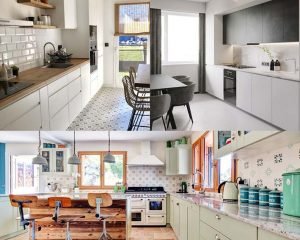
Cement tile kitchen floors: ideas from real projects
Formats, rugs under the island, white kitchens, zellige splashbacks and maintenance: real ideas for a kitchen with a cement tile floor.
Formats, rugs under the island, white kitchens, zellige splashbacks and maintenance: real ideas for a kitchen with a cement tile floor.

Where cement tiles can and can’t go: indoors, on walls, outdoors, in showers, over underfloor heating and in high-traffic areas, with real data.

A guide to making a tile mosaic: types, materials per m², seven steps with timings, mistakes to avoid and how to lay zellige and cement tiles.

What Sevillian tiles are, how they are made in Triana, where to see them in Seville and how to use and buy them today.

How to identify an antique cement tile, date it by its pattern and decide whether to restore it or reproduce the design with new tiles.
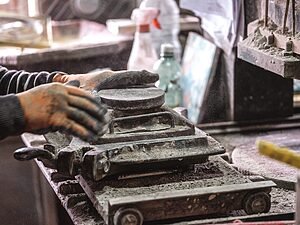
Cement tiles are made cold, piece by piece: the craftsman pours coloured mixes of white cement, marble powder and pigments into the cells of a metal template called a divider, adds a drying layer and then a layer of mortar, presses the whole in a hydraulic press and leaves the tile to cure with water
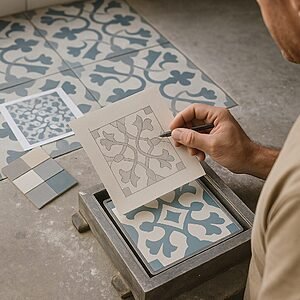
How to turn an idea into a made-to-measure cement tile: pattern, divider, formats, colours and what the workshop needs to give you a quote.
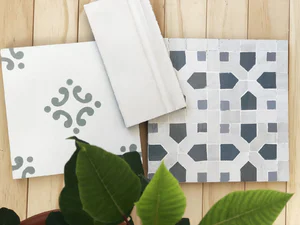
The ten mistakes that come up most often when specifying cement tiles, and how to rule them out in the project description and the specification.
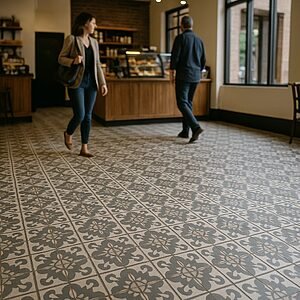
Real test results, the slip resistance class required by the Spanish Building Code, formats by area and completed projects in bars, shops and offices.

Cement tile, encaustic tile or hydraulic tile? What each name means, the Spanish names you will see when buying in Spain, and how the tile is made.